| CSSI News and Opportunities | Dear CSSI Community,
I am pleased to share this month’s newsletter with you. This edition includes announcements about the recent awardees of CSSI's Surveying the Social World (SSW) opportunity and about our new flash workshop on survey accessibility: Survey Accessibility in a Flash: Universal Design for Universal Impact. We also provide a feature on Julie Lee, assistant professor of health management and policy, a CSSI researcher affiliate and one of our inaugural SSW awardees. Finally, I encourage you to review the upcoming April workshops in our Social Science Methods Series and register. We are also developing our Fall 2026 workshop lineup, so please let us know if there are any workshops that you would like us to offer.
Sincerely,

Mark Berg
Director, Center for Social Science Innovation
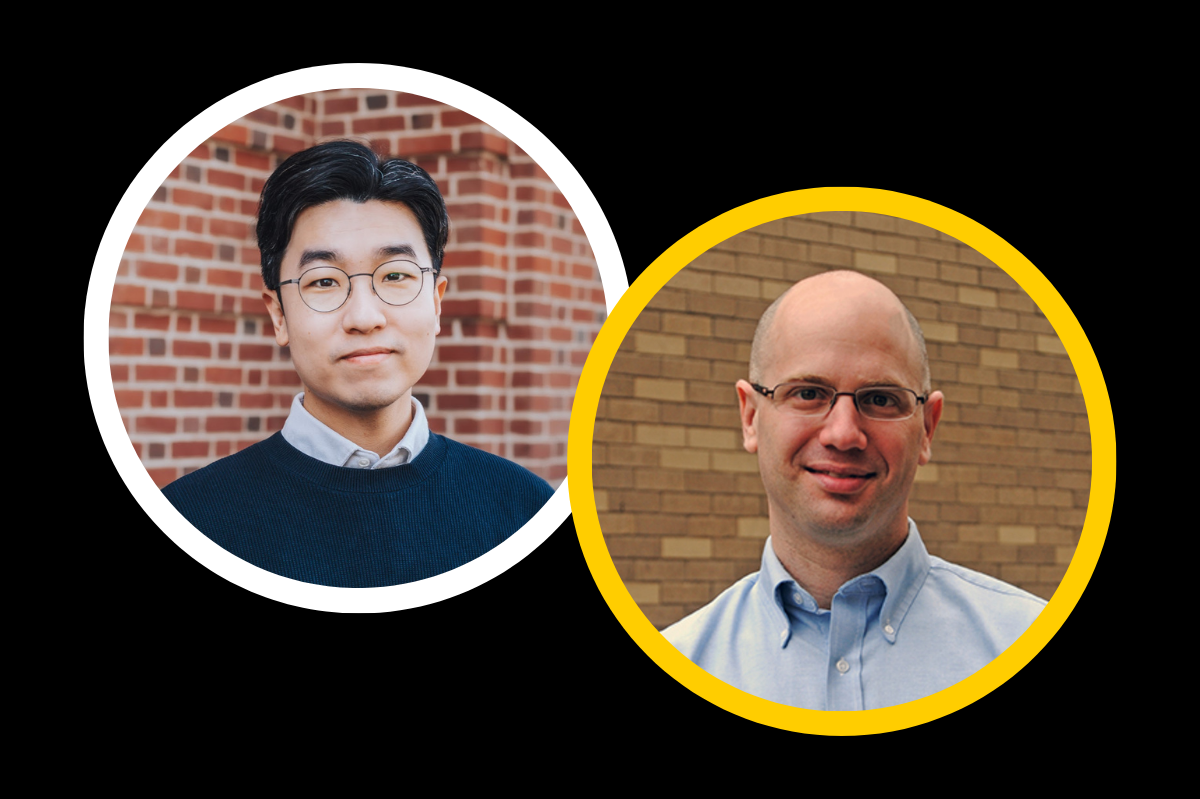
Professor, Department of Sociology and Criminology | | | | Through the Surveying the Social World opportunity, CSSI has selected two University of Iowa researchers to receive funding and support to collect high-quality, nationally representative survey data from 1,000 U.S. adults. Seongjoon Ahn, assistant professor of political science in the College of Liberal Arts and Sciences (CLAS), and Steven Hitlin, professor of sociology and criminology in CLAS, will lead two cutting-edge projects that examine how Americans understand democracy and morality.
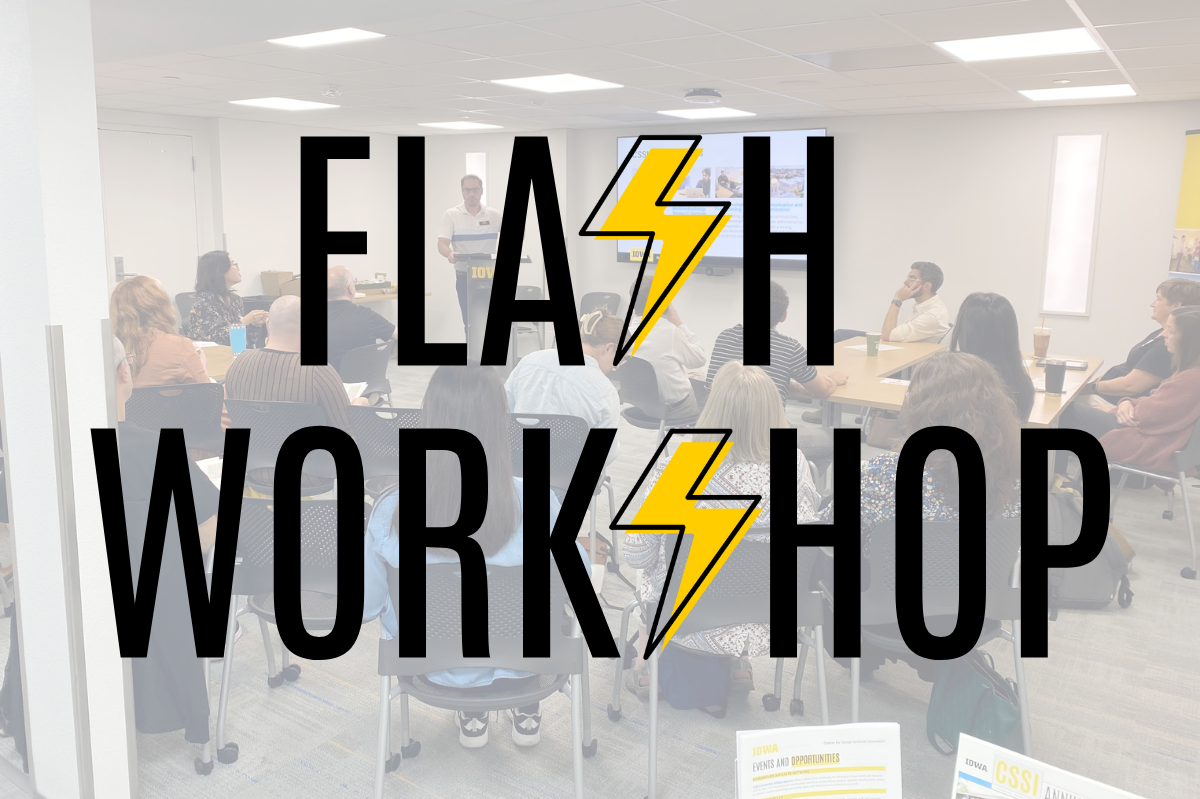
Read about their projects. | | | Join CSSI and the Office of Civil Rights Compliance for a quick introduction to survey accessibility, with a focus on the importance of accessibility in survey research and best practices during survey recruitment, development, and deployment. The workshop will introduce participants to general principles of digital accessibility and use Qualtrics to demonstrate best practices for developing accessible recruitment materials and surveys.
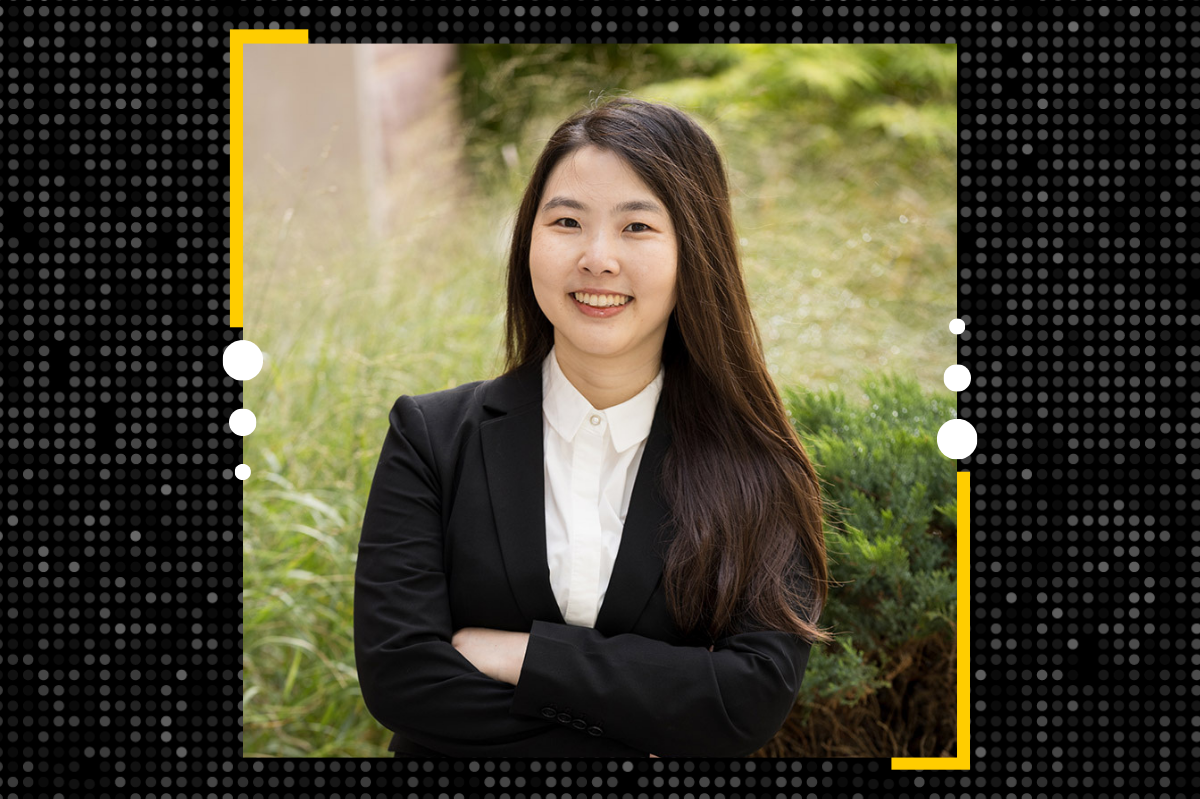
| | | | Last year, Julie Lee, assistant professor of health management and policy in the College of Public Health and CSSI researcher affiliate, was an awardee of our inaugural Surveying the Social World initiative. Now, she is using the survey data to explore how public perceptions of healthcare affordability and quality impact support for public health initiatives, such as vaccination programs and quitting smoking campaigns, and how individual health attitudes and behaviors shape those views.
Read CSSI's feature of Julie Lee. | | | Need an extra hand to collect and code rich qualitative data? CSSI's research services team offers a range of qualitative research assistance. For researchers planning to conduct interviews or focus groups, CSSI staff can support recruiting participants, developing interview protocols, and hosting and moderating focus group sessions. The CSSI team can also provide transcription support and thematic coding.
Learn more about CSSI's qualitative research services. | | | Social Science Research in the News | | A new University of Iowa study found that mental illness is linked to violence overall, but not specifically to firearm violence or mass shootings. Mark Berg, professor of sociology and criminology and CSSI director, led the study. Yi-Fang Lu, CSSI postdoctoral research scholar, and Ethan Rogers, CSSI associate director, were co-authors on the project.
Read about the study in the Injury Prevention Research Center's Injury Blog. | New research by Sarah Hofmeyer, assistant professor of planning and public affairs and CSSI researcher affiliate, examines how administrative requirements influence the experiences of community food producers. In two recently published articles, Hofmeyer explores how regulatory processes can create burdens for small-scale and community-based producers and identifies opportunities to reduce those barriers.
Read about Hofmeyer's recent publications from the School of Planning and Public Affairs. | |
CSSI's Social Science Methods Series
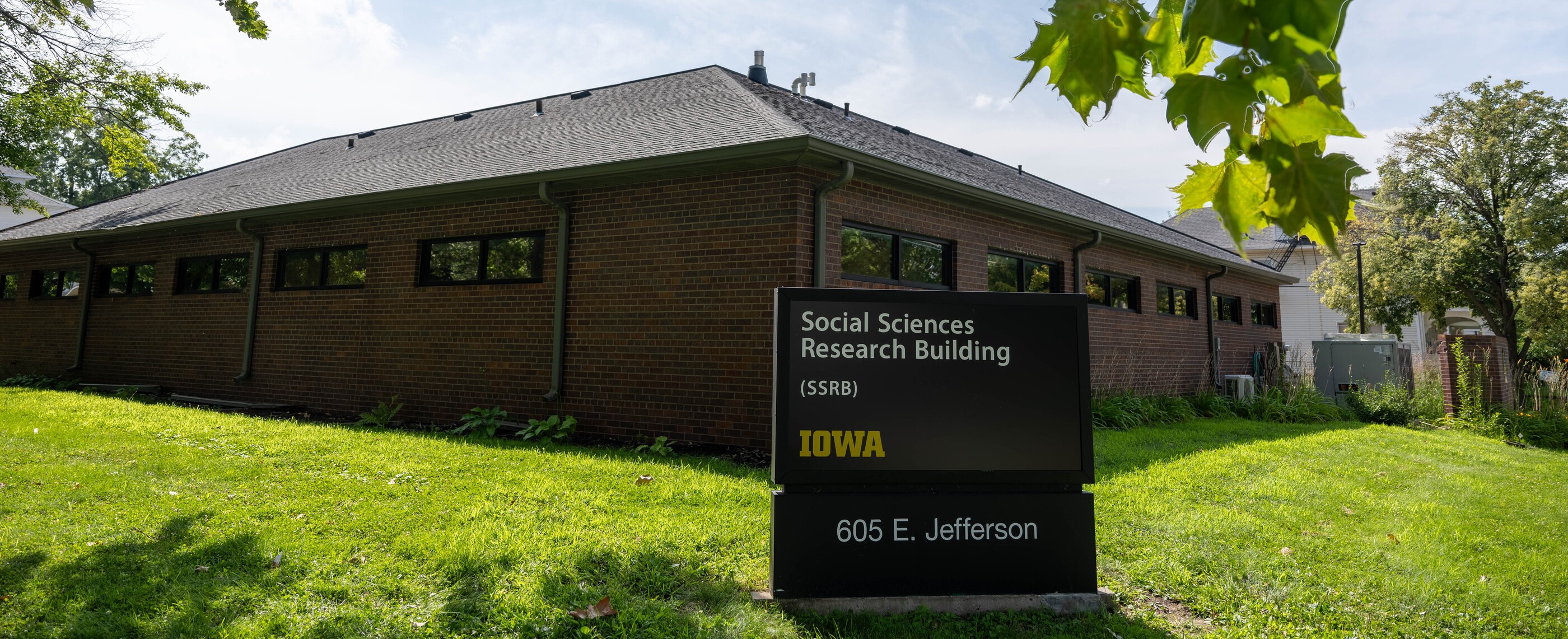
Wednesday, April 1 [TODAY!] | 2 p.m. to 4 p.m. | Social Sciences Research Building
This workshop provides an applied overview of principles and methods for longitudinal data analysis, with hands-on examples in R. Topics include types of longitudinal data, data manipulation and visualization, statistical methods for longitudinal analysis (including mixed-effects models and structural equation models), longitudinal measurement invariance, handling missing data, and separating within-person and between-person effects. Participants are encouraged to bring a laptop with R and RStudio installed for interactive exercises. This workshop is intended for participants with experience using R and RStudio. Prior experience with longitudinal data analysis, though helpful, is not required.
Wednesday, April 8 | 2 p.m. to 4 p.m. | Virtual
This virtual workshop will introduce packages related to geospatial analysis to design a bivariate map in the R coding environment. By the end of this workshop, participants will be able to use geospatial packages in an R workflow to create a publication-quality bivariate map. A bivariate map helps to understand the spatial relationships, correlations, and patterns between two different spatial variables. This is an introductory workshop appropriate for those with only a basic familiarity with R and geospatial analysis. Example code will be provided. This is a virtual workshop and will be held over Zoom.
Wednesday, April 15 | 2 p.m. to 4 p.m. | Virtual
This workshop will introduce Python and foundational machine learning concepts, utilizing a dataset comprising textual content. Participants will learn the basics of coding in Python, set up a data science environment, and explore key machine learning concepts applied to text data. No prior experience with Python or machine learning is required. This is a virtual workshop and will be held over Zoom.
Wednesday, April 22 | 2 p.m. to 3:30 p.m. | Social Sciences Research Building
This workshop will examine how social scientists can use Large Language Models (LLM) to develop variables that can be used in statistical analyses by social scientists. As social scientists have gained access to an increasing amount of textual data, automated text analysis (ATA) has become one of their standard toolsets. LLM is another ATA tool, yet social scientists are just beginning to use it. This interactive and applied workshop explores how social scientists can use LLM to develop measures that can be used as variables in quantitative analyses. The workshop does not require any prerequisite knowledge and is open to all social scientists.
Collaborative Funding Opportunity
This RFP from Arnold Ventures seeks to support rigorous, causal research on the academic, behavioral, and mental health impacts of cell phone policies in K-12 schools in the United States. They seek studies that generate actionable insights for policymakers, as well as school and district leaders, who are deciding whether and how to implement or refine such policies. This RFP will support both Randomized Controlled Trials (RCTs) and Quasi-Experimental Designs (QEDs) that can credibly estimate causal effects. Letters of interest are due Friday, May 1.
Please reach out to Mark Berg (mark-berg@uiowa.edu) if interested in pursuing this opportunity.
| | | |



.jpeg)


