Damien Ihrig, MA, MLIS
Curator, John Martin Rare Book Room
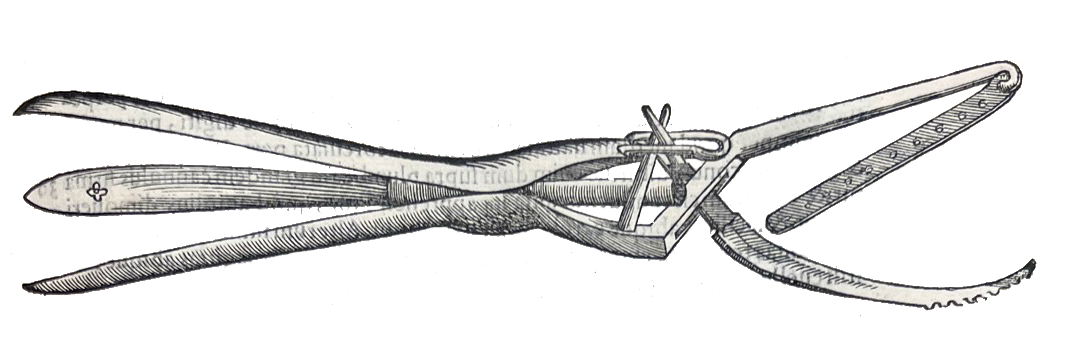
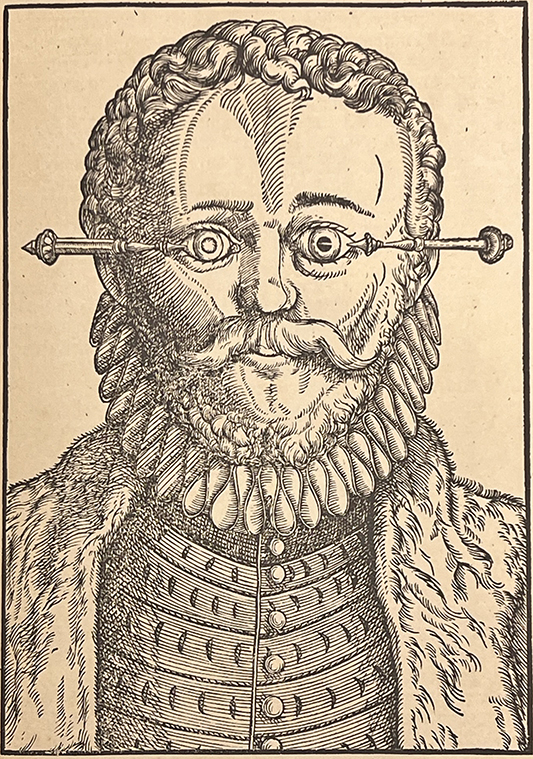
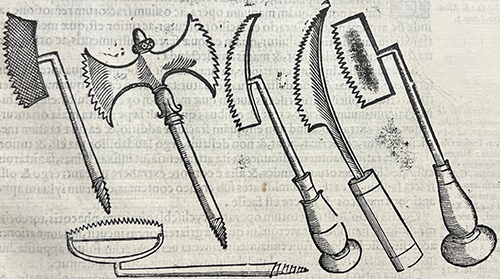
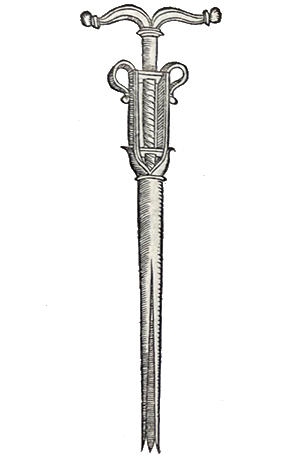
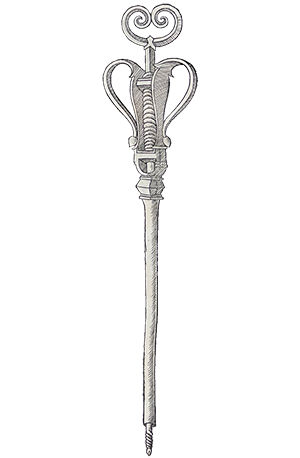
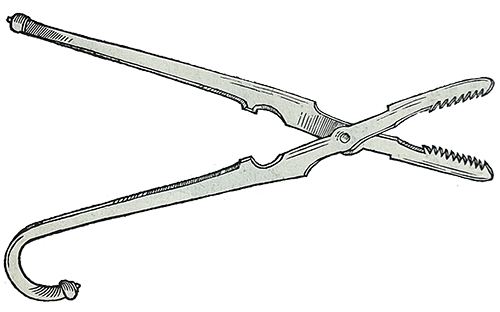
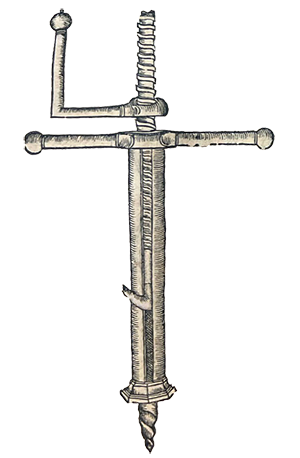
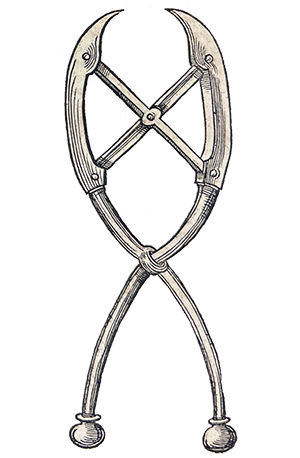
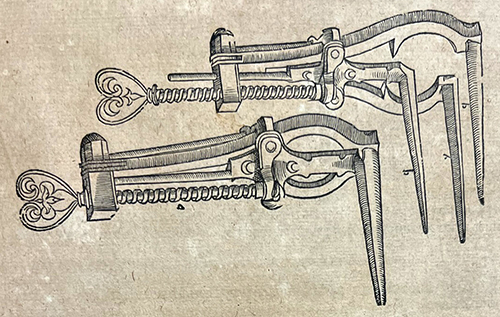
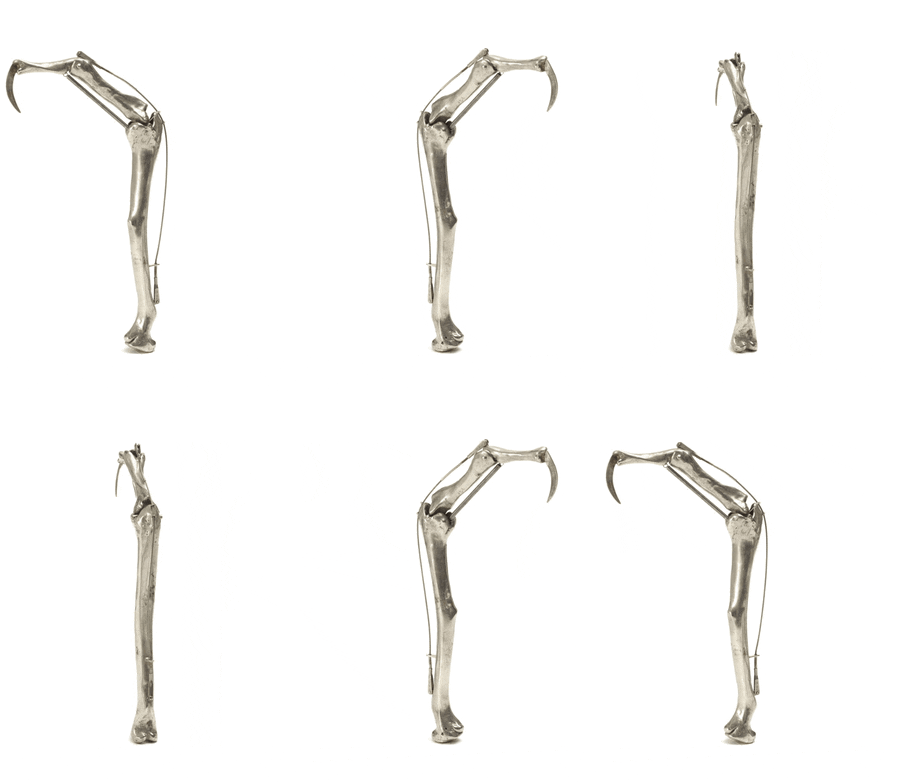 Hey folks, the annual Halloween edition of the newsletter is back for some spooky fun. This month, I highlight historical illustrations of 16th-century medical instruments. These instruments appear to be taken straight from a David Cronenberg movie (see the gif with an example from his movie Dead Ringers). They are both beautiful and frightening - finely crafted works of metal art and gothic horror.
Below you will find illustrations from Bartich's Ophthalmodouleia (1583), Croce's Chirurgiae (1573), Gessner's Chirurgia (1555), Guidi's Chirurgia è Graeco in Latinum conversa (1544), Pare's Opera (1582), Rueff's De conceptu et generation (1580), and Tagliacozzi's De curtorum chirurgia per insitionem (1597). Click on the images for more information. And if these tickle your funny bone, there are plenty more examples in the collection!
I hope you enjoy this brief diversion during your busy fall. We will resume normal programming next month.
Until then, safe Halloweening, everyone. Stay well and happy reading!
Hours
The Room is currently under renovation. Requests for materials will be considered on a case-by-case basis. For more information, please contact me at damien-ihrig@uiowa.edu or 319-335-9154.